
Air vs. Liquid Cooling in Data Centers: What's Changing, and What It Means
BY CAITRIONA LETHERT / LAST UPDATED JULY 2026
As data centers evolve to support AI demand, high-performance computing, and increasing rack densities, the way facilities manage heat is undergoing a fundamental shift.
For years, air-cooling has been the industry standard: reliable, cost-effective, and well understood. But as computing demands rise, particularly with Graphics-Processing Unit (GPU)-driven workloads, liquid-cooling (specifically single-phase systems) is quickly becoming a critical part of modern data center design.
Understanding where each approach fits—and how they work together—is key to building scalable, future-ready infrastructure.
Air-Cooling: Proven and Still Widely Used
Air-cooling has supported data centers for decades and continues to play a major role today. Simpler system designs and infrastructure paired with lower upfront capital costs made air-cooling the industry standard. Being widely utilized established standard engineering practices and familiarity and before demand skyrocketed, being effective for low to moderate rack densities sufficed.
How Air-Cooling Works
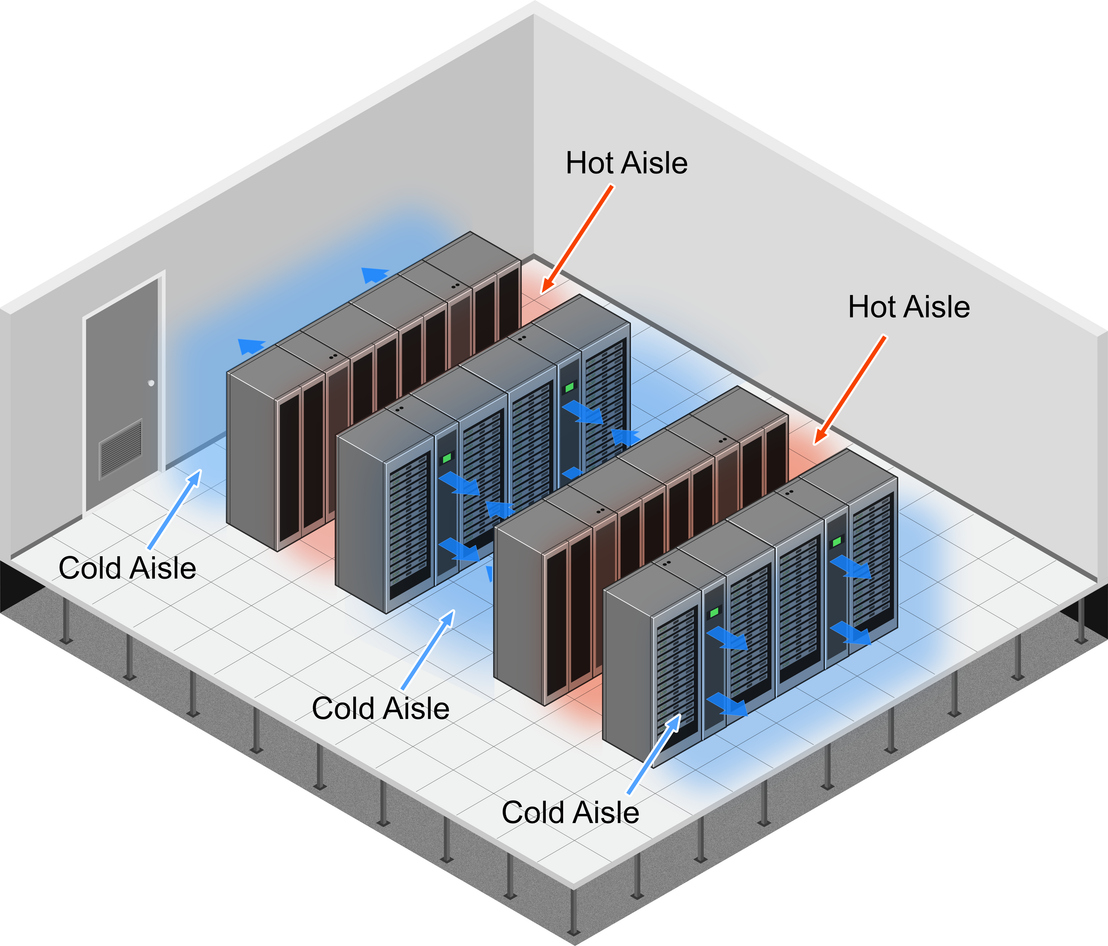
Conditioned air is delivered through CRAC/CRAH units, directed through cold aisles, and exhausted through hot aisles. Heat is removed by circulating air back through cooling systems tied to chillers or external heat rejection.
Where It Still Fits Today
- Enterprise and colocation environments
- Legacy facilities
- Applications with lower heat loads
Where Nott Adds Value in Air-Cooled Systems
Nott supports OEMs and contractors with components and assemblies used throughout HVAC and thermal management systems, including:
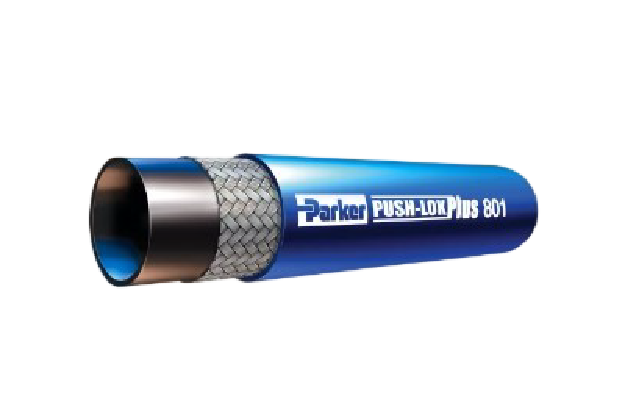
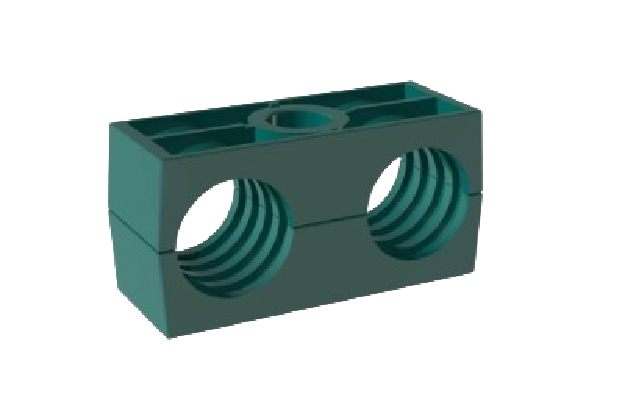
- Hose assemblies, fittings, clamps, and valves
- Gaskets, seals, vibration isolation and insulation materials
- Fluid and air conveyance components supporting CRAC/CRAH and chiller systems
- Pre-assembled solutions that reduce installation time and variability
Liquid-Cooling (Single-Phase): Built for High-Density & AI Workloads
As rack densities climb, driven largely by GPUs and AI workloads, air-cooling alone does not have the capacity to keep up in many environments. The larger draw required of these more advanced queries generate significantly higher heat loads than their predecessors. To match this, rack densities now typically exceed 30kW, 50kW, and even 100kW+; some can be higher yet, think 200kW, 500kW or even 1000kW, but enter the realm of Two-Phase Cooling which will be covered in future blog posts.
How Single-Phase Liquid-Cooling Works
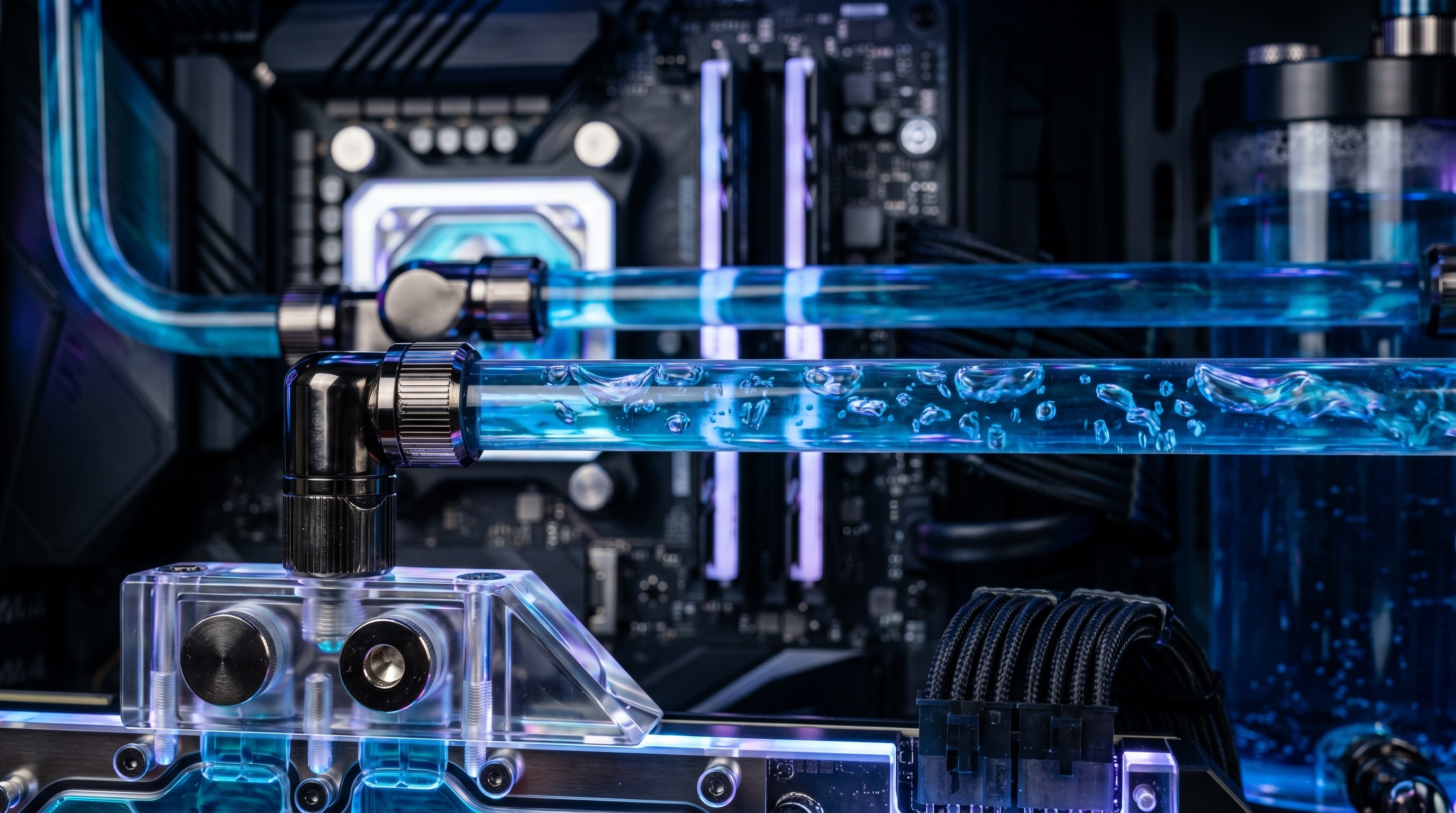
In a single-phase system, coolant remains in liquid form as it absorbs heat; liquid is far more efficient at thermal management. It circulates through a closed-loop system of cold plates attached to CPUs and GPUs. Then the liquid is moved to a Coolant Distribution Unit (CDU) which helps to regulate the temperature and isolate the liquid from electronic components.
What Liquid-Cooled GPUs Are Changing
- Enabling significantly higher compute density per rack
- Improving energy efficiency and reducing overall cooling load
- Allowing data centers to scale AI infrastructure more effectively
Supporting Liquid-Cooling at Scale: Where Nott Fits In
As liquid-cooling adoption accelerates, OEMs are under increasing pressure to scale production while maintaining quality and consistency.
Nott Company supports this transition by supplying both fully integrated sub-assemblies and critical components, including:
- Hose and tubing assemblies (including helium leak-tested solutions)
- Quick disconnects (QDs), fittings, and valves
- Rack manifolds and fluid distribution assemblies
- Pump and motor sub-assemblies
- Valve train assemblies
- Gaskets, seals, foams, and insulation materials
- Control panels and PLC-integrated systems
By delivering tested, ready-to-install assemblies, Nott helps OEMs:
- Reduce internal labor and free up production space
- Improve quality and repeatability
- Shorten build cycles and meet aggressive lead times
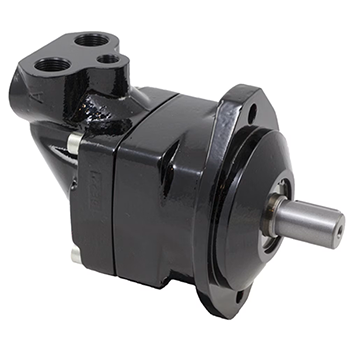
Parker F11 Bent Axis Fixed Motor
Air vs. Liquid-Cooling: A Hybrid Future
It’s not a matter of air versus liquid—it’s about using the right solution for the right application. Air-cooling remains effective for lower-density environments, while Liquid-cooling is becoming essential for AI and high-performance workloads Most modern data centers are moving toward a hybrid approach, combining both technologies to optimize performance, efficiency, and scalability.
As data centers continue to evolve, from air-cooled to single phase liquid cooling and further still two-phase liquid cooling, the goal is always better technology and greater efficiency. The ability to scale productivity—without compromising quality—has become a competitive advantage. That’s where experienced partners make a difference. With a strong foundation in fluid conveyance, sub-assembly manufacturing, and component distribution, Nott Company works alongside OEMs to help them meet increasing demand, reduce complexity, and bring systems to market faster.
Future posts will delve deeper into two-phase cooling technologies and how Nott Company can help OEMs meet the demands of tomorrow's AI-driven infrastructure.
Looking for support on air or liquid cooling systems?
Explore our data center cooling solutions.