
Pneumatic Clutches & Brakes
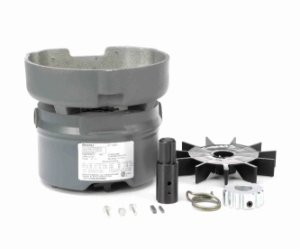
Air-Actuated Solutions for Precision Torque Control & Motion Management
Pneumatic clutches and brakes are critical components used to control torque transmission, start/stop motion, and manage rotational speed in industrial and OEM systems. These devices use compressed air to engage or disengage mechanical components, allowing precise control of power and movement.
A pneumatic clutch connects a driving shaft to a driven shaft, enabling power transfer when engaged. A pneumatic brake, on the other hand, slows, stops, or holds motion by applying friction to a rotating component. Together, they provide full control over machine operation—engaging motion when needed and stopping it safely when required.
🔧 How Pneumatic Clutches & Brakes Work
Pneumatic systems use compressed air to actuate internal pistons or diaphragms. When air pressure is applied, it forces friction discs or plates together, allowing torque to be transmitted (clutch) or resisted (brake). When pressure is released, the components disengage, stopping torque transfer.
This air-based actuation provides:
- Fast response times
- Adjustable torque via air pressure
- Smooth engagement and disengagement
- Reliable performance in high-cycle environments
Because torque can be controlled by adjusting air pressure, pneumatic systems offer fine-tuned performance for demanding applications.
⚙️ Types of Pneumatic Clutches & Brakes
- Air-actuated clutches – engage rotating shafts for power transmission
- Pneumatic brakes – stop or hold rotating components
- Combination clutch-brake units – provide both functions in a single assembly
- Drum and disc-style units – designed for different torque and speed requirements
Combination units are especially valuable in applications requiring precise cycling and repeatable motion control.
🚜 Applications
Pneumatic clutches and brakes are widely used in:
- Conveyor and material handling systems
- Packaging and processing equipment
- Agricultural machinery
- Printing and converting equipment
- Industrial automation and OEM systems
They are particularly effective in low-speed, high-torque applications such as conveyor zones and indexing systems.
🔧 Key Benefits
- Precise control of torque and motion
- Fast engagement and stopping response
- Adjustable performance through air pressure
- Long service life in heavy-duty environments
- Reduced electrical complexity (no coils required)
Pneumatic systems are often preferred in industrial environments because they offer consistent performance, durability, and ease of control.
🔧 Why Proper Selection Matters
Choosing the right pneumatic clutch or brake ensures:
- Accurate machine timing and positioning
- Reduced wear on mechanical components
- Improved safety and system reliability
- Efficient energy use and system performance
Improper sizing or selection can lead to inconsistent torque, excessive wear, or reduced system efficiency.
These products work well with
- Pneumatic valves
- Tube & tube fittings
- Mufflers & silencers
- Hydraulic system components
- Material handling components